Road to Doom: Ronnie James Dio – The Voice of Metal
By Barry the Doomgoat | February 28, 2026
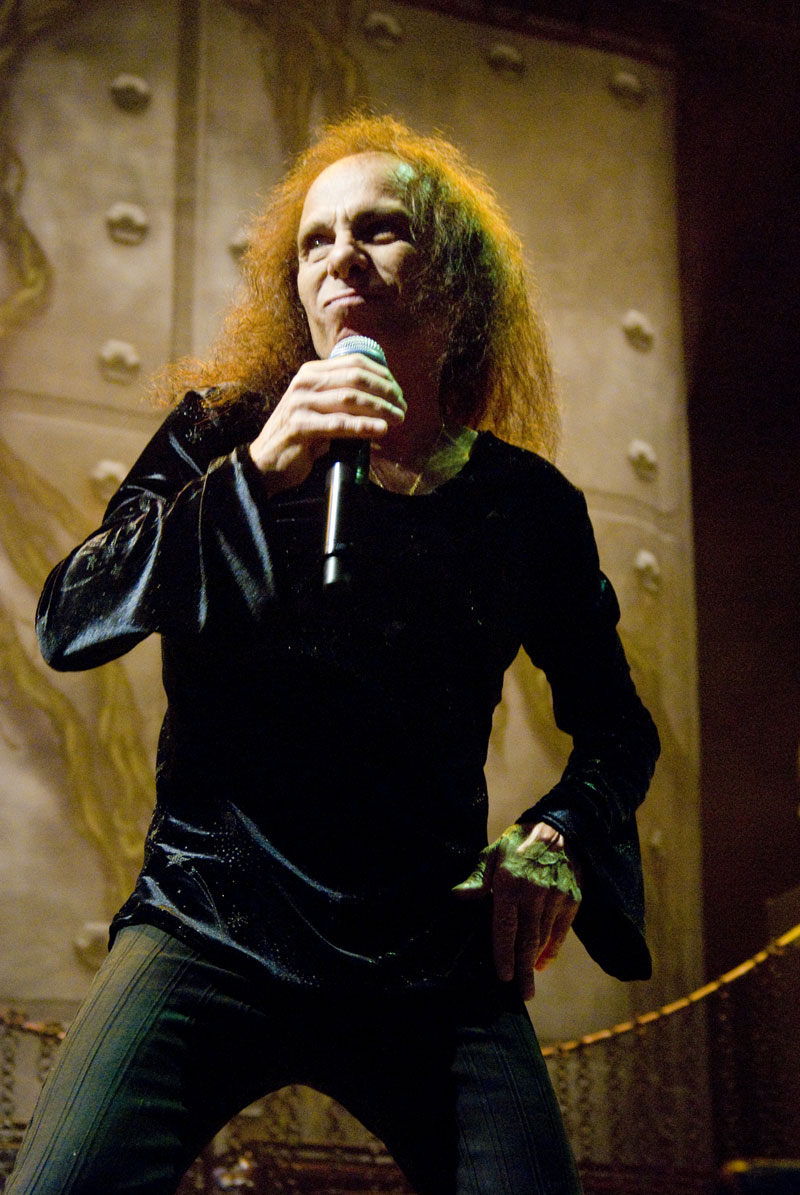
Photo: Adam Bielawski / Wikimedia Commons (CC BY-SA 3.0)
When Ronnie James Dio passed away in 2010, the metal world lost more than a vocalist—it lost a champion. Born Ronald James Padavona on July 10, 1942, in Portsmouth, New Hampshire, Dio didn't just sing heavy metal; he helped define what it meant to be a metal frontman. With his powerful operatic voice, theatrical stage presence, and genuine love for the genre, he bridged the gap between Black Sabbath's proto-doom and the modern metal that followed. Whether with Rainbow, Elf, his solo band, or his legendary stints with Black Sabbath (as Heaven and Hell), Dio's contributions to heavy music are unparalleled. This tribute explores how a kid from New Hampshire became "the voice of metal."
Early Days and Rise Through the Ranks
Dio's musical journey began in the 1950s, playing bass for local bands before adopting the stage name "Dio" (derived from his father's nickname, "Dio," meaning "God" in Italian). In 1975, he joined Ritchie Blackmore's Rainbow, replacing Ronnie James Dio (the original vocalist, a different person—confusing, we know) and delivering the classic albums Ritchie Blackmore's Rainbow (1975) and Rainbow Rising (1976). His vocal power and songwriting chops quickly made him a rising star in the hard rock world.
After two more Rainbow albums, Dio departed in 1978 to form his own band—Dio. Their debut, Holy Diver (1983), became an instant classic, featuring hits like "Holy Diver," "Rainbow in the Dark," and "Stand Up and Shout." The band's lineup—Dio, guitarist Vivian Campbell, bassist Jimmy Bain, and drummer Vinny Appice—was tight, their chemistry undeniable. The Last in Line (1984) and Sacred Heart (1985) followed, cementing Dio's status as a metal icon.
Sabbath's Second Coming
In 1979, Ozzy Osbourne was fired from Black Sabbath. The band—Tony Iommi, Geezer Butler, and Bill Ward—reformed with Dio taking vocals, a move that reinvigorated the legendary group. Their debut as Heaven and Hell, Heaven and Hell (1980), proved Sabbath could still deliver crushing heavy metal with Dio's soaring vocals leading the charge. Tracks like "Neon Knights" and "Children of the Sea" showcased a band reborn.
Dio remained with Sabbath through Mob Rules (1981), though tensions with Iommi led to his departure in 1982 (replaced by Ian Gillan). He returned for reunions in the 1990s and 2000s, with the Dehumanizer (1992), 13 (2013) albums, and touring. Dio's tenure with Sabbath, though shorter than Ozzy's, remains beloved by fans for its raw power and consistency.
Legacy and Influence
Dio's impact on metal is immeasurable. He popularized the "devil horns" hand gesture (though he credited fans for that), brought theatricality to metal performances, and mentored countless musicians. His vocal style—clear, powerful, capable of both aggression and melody—influenced everyone from Bruce Dickinson to modern metalcore singers. Songs like "Holy Diver" remain anthems, covers of his work filling tribute albums worldwide.
Diagnosed with stomach cancer in 2009, Dio fought bravely before passing on May 16, 2010. His final tour, supporting The Last in Line reissues, was a testament to his dedication. The Ronnie James Dio Stand Up and Shout Cancer Fund, founded by his wife Wendy, continues cancer research in his memory.
Barry's Outback Take
G'day from the Cloncurry dust, mates—Barry here, paying respects to a legend. Losing Dio hit hard, even from afar. Never saw him live (the outback's a bit far from concert halls), but his voice was a fixture on every night drive, blasting through the speakers while chasing stars. There's something about "Holy Diver"—it's not just a song, it's a whole vibe, like the universe itself is headbanging. Rest easy, Ronnie. Your riffs echo forever. \m/
Essential Listening
- "Holy Diver" – The title track that started it all.
- "Rainbow in the Dark" – A metal anthem, no matter the era.
- "Neon Knights" – Dio-era Sabbath at its finest.
- "The Last in Line" – The album that defined his solo sound.
- "Heaven and Hell" – The track that brought him to Sabbath.
Dio's recommendation: Start with Holy Diver for that classic solo Dio energy, then dive into the Heaven and Hell albums to hear him work Sabbath magic. Crank it loud—this is metal history. \m/